Corona Seller Guide: How To Prepare For A Competitive Listing: Seller And Market Update
Set a list-ready date and budget for the next 14 days. Price to compete using recent, similar homes; align with your verified condition. Verify permits, HOA, zoning, hazards,...
Listen to this guide
A natural AI-generated reading for when you would rather listen than scroll.
Voice disclosure: this narration is AI-generated, not a human recording. The spoken sentence is highlighted as you listen.

Answer-First: What To Do Now
- Set a list-ready date and budget for the next 14 days.
- Price to compete using recent, similar homes; align with your verified condition.
- Verify permits, HOA, zoning, hazards, and insurance by address before photos; disclose early.
- Use official local links for orientation only; don’t promise commute times or program availability.
Price It To Compete: A Simple Corona Workflow
- Define the likely buyer: financing type, property type, and non-negotiables for your subarea.
- Build the true comp set: tight radius; same bed/bath count, lot usability, year built, and condition.
- Street-level adjustments DANIEL checks in person: driveway slope, noise, street pattern, access, and nearby public anchors for orientation—not price promises:
- Corona Public Library, 650 S. Main St (study, meeting, and teen rooms; confirm current hours and room-use requirements first). - Circle City Center, 365 N. Main St (City-listed civic/recreation facility; verify access/availability). - City Hall, 400 S. Vicentia Ave (civic anchor; use exact addresses for wayfinding).
- Launch at a price the comps can support given your documented condition; reassess after real buyer feedback.
Day 1–2: Decisions And Disclosures
- Pick the go-live date, budget, and scope (minor repairs, soft staging, landscaping).
- Gather permits, warranties/manuals, HOA docs, receipts; start disclosures; flag any unpermitted work.
Day 3–5: Safety, Function, And Curb Appeal
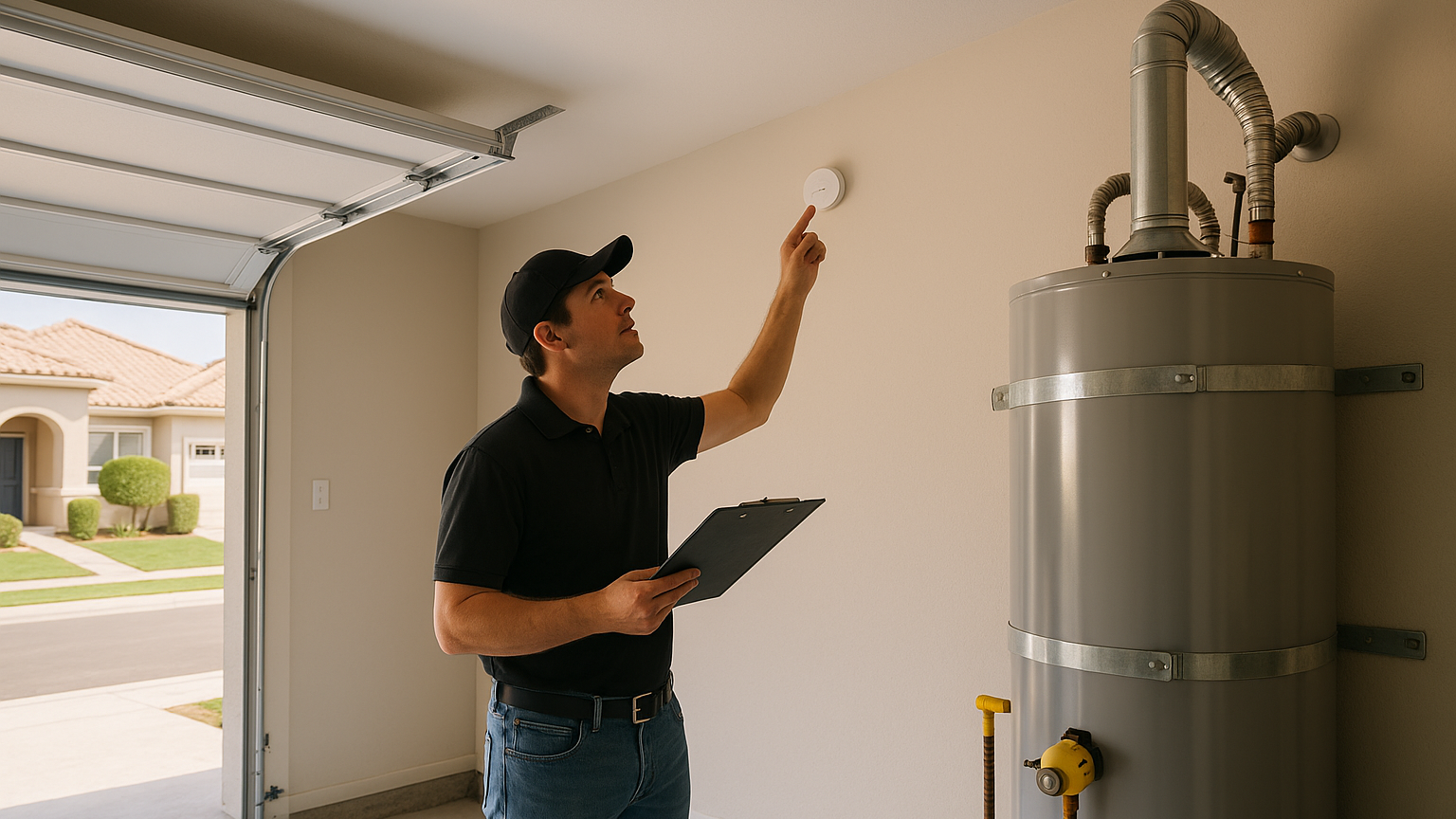
- Safety/function: fix known leaks; test GFCIs; confirm smoke/CO alarms and water-heater strapping.
- Surfaces: touch-up paint, deep clean, neutralize odors, replace bulbs, service HVAC filters.
- Exterior: trim shrubs, add fresh mulch, pressure-wash hardscape, clear roof/gutters.
- If you added structures or site changes, confirm permit paths with the City of Corona Planning Division before advertising improvements.
Day 6–8: Presentation
- Light staging: scale-appropriate rugs, lamps, linens; define rooms clearly.
- Declutter and depersonalize; create clean sightlines.
- Show flexible uses (desk nook, fitness corner) without implying specific use rights; buyers should verify with the City or HOA.
Day 9–10: Media And Copy
- Professional photography when natural light best fits your orientation.
- Optional floor plan. In the description, stick to verifiable features and permitted work.
Day 11–12: Launch Readiness
- Showing plan: concentrated first-weekend access; gather structured feedback.
- Clear directions and access notes; confirm all utilities on for inspections.
Day 13–14: Go Live
- Publish with a complete, accurate disclosure packet.
- Share official links for transit/city facilities instead of making commute or program claims.
- Screen inquiries, verify pre-approval/funds, log feedback, and be ready to adjust presentation or access within the first week.
Address Checks DANIEL Verifies Before List
- Parcel and permits: align assessor records with actual improvements; resolve or disclose discrepancies.
- Zoning/HOA/use: confirm allowable uses and any assessments with responsible agencies.
- Hazards/insurance: review statutory disclosures; discuss coverage with your carrier.
- Surroundings: evaluate street pattern, driveway slope, and noise sources; use exact public anchors by address for context only.
- Documentation: separate observable conditions from items needing licensed specialists; reflect findings in copy and pricing.
Local Signals Buyers Ask About (Reference, Don’t Promise)
- Transit: Metrolink Corona–North Main at 250 E. Blaine St serves the 91/Perris Valley and Inland Empire–Orange County lines. Provide the official station link for current service alerts, timetables, transfers, and parking. Do not estimate commute times.
- Civic/community anchors: buyers may ask about Corona Public Library (650 S. Main St; study, meeting, and teen rooms—confirm current hours/requirements) and activity spaces like Circle City Center (365 N. Main St) or parks such as Auburndale Park (1045 Auburndale St). Use these for orientation only; availability/access vary, and proximity does not guarantee a value premium.
- City questions: for zoning, permits, and development guidelines, direct address-specific questions to the City of Corona Planning Division.
Showings, Safety, And Offer Review
- Safety: secure valuables, prescriptions, and documents; use monitored showing windows.
- Feedback loop: compare first-week activity and comments to your comp set; adjust access or presentation if clarity gaps emerge.
- Offer review: verify buyer strength (approval letters, proof of funds, contingencies, timelines). Understand appraisal/inspection paths and how your disclosures support them.
What I Do As Your Corona Listing Agent
I’m DANIEL AMINI, DRE #02135257, with Advent Manor Real Estate, powered by Fathom Realty. My process:
- Start with the buyer’s decision, budget, property type, and non-negotiables, then benchmark your exact address against true competitors.
- Build an address-specific tour to score street pattern, access, noise, slope, lot usability, and surrounding land uses.
- Verify parcel, permit, zoning/HOA, assessment, school-boundary, hazard, and insurance items with responsible providers.
- Translate findings into a written prep-and-pricing plan—no promises on price or timing, just evidence, clarity, and execution.
Q: Should I Repair Or Sell As-Is?
A: Prioritize safety/function and high-visibility defects; disclose the rest with quotes. Verify permits before advertising improvements.
Q: How Do I Mention Nearby Parks, Library, Or Transit?
A: Share official addresses/links and avoid promises about hours, programs, or commute times.
Q: Can I Market A Home Office Or ADU Use?
A: Describe the space generically unless permits support the specific use; buyers should verify with the City or HOA.
Q: When Should I Adjust Price?
A: After 7–10 days of real feedback versus your comp set; decide based on verified condition and buyer response.
A Practical Decision Framework
- Readiness: Can we be photo-ready in 14 days with disclosures in hand?
- Risk: Any unpermitted work or site changes to resolve or disclose?
- Positioning: Does the launch price sit where appraisal support is most likely?
- Proof: Do we have receipts, permits, and a factual feature list to back claims?
- Plan B: If feedback misses expectations by Day 7–10, which lever changes first—price, presentation, or access?
Sources (Accessed 2026-09-12)
- City of Corona – Corona Public Library — Supports only the cited public information; confirm current, address-specific applicability with the responsible agency or provider.
- City of Corona – Parks & Facilities Directory — Supports only the cited public information; confirm current, address-specific applicability with the responsible agency or provider.
- Metrolink – Corona–North Main Station — Supports only the cited public information; confirm current, address-specific applicability with the responsible agency or provider.
- City of Corona – Planning Division — Supports only the cited public information; confirm current, address-specific applicability with the responsible agency or provider.